
Nutrition Notes
Daily Vitamin D and Magnesium in the Active Men's Supplement Routine
Nathan Fraser·
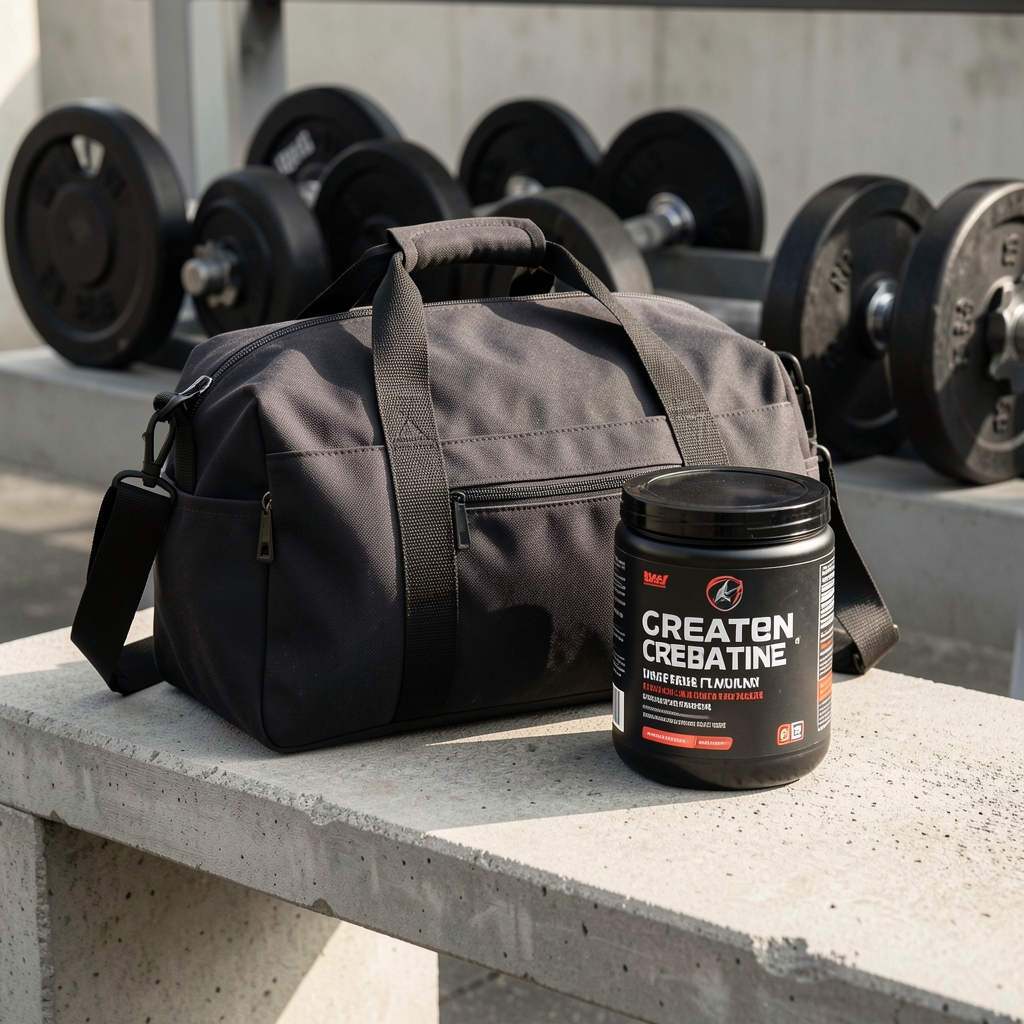
Creatine monohydrate occupies a distinctive position in men's supplement literature: it is among the most extensively studied nutritional compounds in the exercise science canon, with a body of published research that spans three decades and encompasses populations from competitive athletes to general fitness participants. For the editorial record, what makes creatine particularly relevant is not its frequency in sports nutrition marketing but the consistency and depth of the research that positions it as a substance with a well-characterised role in supporting physical output over time in resistance training contexts.
The published literature on creatine monohydrate is unusually consistent by nutritional research standards. The International Society of Sports Nutrition's position stand on creatine — updated most recently in 2017 and supported by subsequent review literature — notes creatine as one of the most effective nutritional supplements available to athletes and active individuals for increasing high-intensity exercise capacity and lean body mass during training. This is a measured, evidence-informed framing that the editorial record finds valuable: it is specific about the context (high-intensity exercise, resistance training), specific about the mechanism (phosphocreatine resynthesis during brief maximal efforts), and appropriately bounded in its claims.
Creatine's functional role in the body is connected to the phosphocreatine energy system — the mechanism by which adenosine triphosphate is rapidly resynthesised during short, high-intensity efforts such as heavy resistance sets, sprint intervals, and high-intensity interval work. When intramuscular creatine stores are elevated through supplementation, the resynthesis of this energy substrate is observed to occur more rapidly, allowing a greater volume of work to be sustained within the training session over time.
For the active man building a supplement stack oriented around gym nutrition and physical performance, this functional positioning is what makes creatine a logical inclusion. It is not a stimulant, not a nutritional shortcut, and not associated in the literature with acute performance changes in the manner of pre-workout compounds. Its contribution is cumulative, operating through the gradual elevation and maintenance of intramuscular creatine stores over weeks of consistent daily intake.
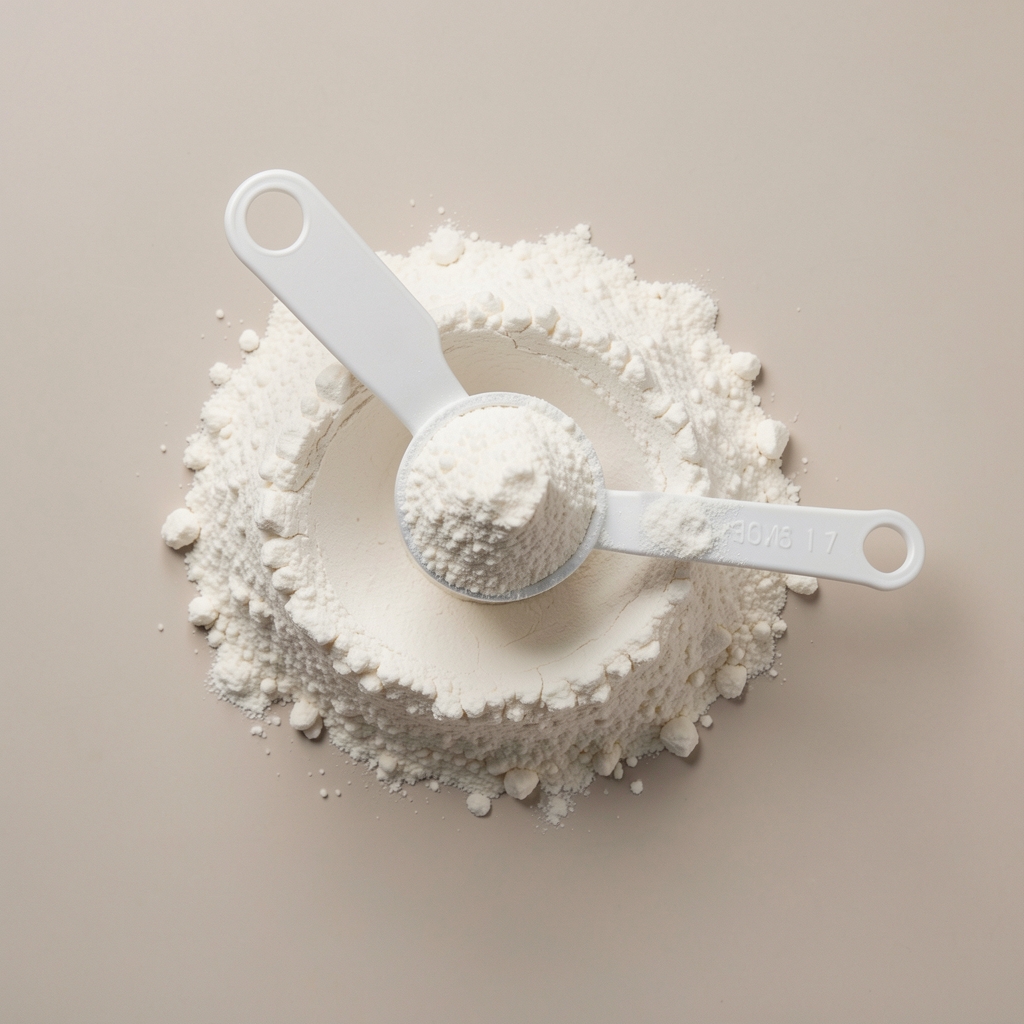
The supplement market presents creatine in numerous formulations: creatine monohydrate, creatine hydrochloride, creatine ethyl ester, buffered creatine, and various proprietary blends. The published nutritional literature is notably consistent on this point: creatine monohydrate remains the most extensively studied and most reliably effective form. The International Society of Sports Nutrition's review of creatine supplementation forms states that other forms of creatine are generally not more beneficial than monohydrate and often cost more while providing less supporting research.
For men building a supplement stack with attention to evidence-informed choices, this represents a practical consideration: the more elaborately marketed creatine variants carry a premium without a corresponding evidence base. Creatine monohydrate — in its unflavoured powder form — is typically available at lower cost and with the fullest body of supporting research. Supplement review for men frequently arrives at this conclusion, and it represents one of the clearer editorial positions available in the nutritional literature.
Micronised creatine monohydrate — a form produced through additional processing to reduce particle size — is noted in some research to improve mixability and digestive tolerance without affecting the underlying compound's function. For men who find standard creatine monohydrate difficult to dissolve or uncomfortable in the digestive system, micronised variants represent a practical consideration rather than a nutritional one.
"Creatine's contribution is cumulative — it operates through the gradual elevation of intramuscular stores over weeks of consistent daily intake rather than through any single acute session response."
Nathan Fraser — Amonev Compendium, February 2026
The question of loading protocols is one that appears frequently in men's supplement discussions. The conventional loading approach — documented in early creatine research — involves a higher daily intake for the first five to seven days, followed by a lower maintenance intake thereafter. The published literature notes that this approach can accelerate the initial elevation of muscle creatine stores, reaching saturation levels within approximately one week.
However, subsequent research has established that the same muscle creatine saturation is achievable through consistent lower daily intake over three to four weeks, without the gastrointestinal discomfort some individuals experience during a loading phase. For men building a long-term supplement habit oriented around daily consistency, this finding has practical implications: the loading phase is a matter of timeline preference rather than physiological necessity.
The editorial record observes that men who approach creatine as a long-term daily habit — much as they might approach vitamin D or omega-3 — tend to sustain the practice more reliably than those who engage in defined loading cycles followed by off-periods. The consistency principle that appears across nutritional habits applies here as well: steady, maintained daily intake over months is the pattern most reliably associated with the physical output benefits documented in the research literature.
The question of how creatine positions within a broader men's supplement stack is one the editorial record observes with increasing frequency as stacking habits become more deliberate and documented. In the nutritional literature, creatine is not observed to interfere with the absorption or function of the other commonly included supplements in men's daily routines — vitamin D, magnesium, omega-3, zinc, protein, and B vitamins all appear alongside creatine in the research literature without notable interaction concerns.
The timing of creatine supplementation relative to training has received considerable editorial attention. Research has examined pre-training, post-training, and time-neutral intake patterns. A 2013 study published in the Journal of the International Society of Sports Nutrition found a potentially greater benefit from post-exercise creatine supplementation compared to pre-exercise, though the effect size was modest and the authors noted the need for further research. The editorial position is that the practical implications of timing are minor relative to the importance of daily consistency: the specific window matters less than the maintenance of uninterrupted daily supplementation.
Protein and creatine appear frequently together in men's gym nutrition records. The combination is logical from a nutritional standpoint — protein supports daily protein intake targets alongside whole foods and provides the amino acid substrate for muscle protein synthesis, while creatine supports the energy system that enables greater training volume over time. These are distinct but complementary roles, and the editorial literature does not position one as a replacement for the other.
Articles published on Amonev Compendium are editorial in nature and reflect the writers' observations on everyday supplementation habits and nutritional awareness for active men. The content is not intended as professional advice, nor as guidance for the management of any specific condition. We recommend speaking with a qualified wellness or nutrition professional before introducing any new routine, particularly if you have specific dietary requirements.
Key Observations from This Record
About the Author

Nathan Fraser is a nutrition writer and editor with a background in active lifestyle journalism and independent nutritional research. He has contributed to editorial publications focused on men's nutritional habits for over six years and serves as editor in chief of Amonev Compendium.
More from Nathan Fraser →